Looking at condos and townhomes in Garden City can feel simple at first. It is a small beach area, so how hard can it be to narrow down your options? In reality, this market is very building-specific, and the right choice often comes down to monthly costs, flood-zone details, and association rules just as much as the view. If you want to buy with more clarity and fewer surprises, this guide will walk you through what matters most in Garden City. Let’s dive in.
Why Garden City feels different
Garden City is a compact, unincorporated beach section in Horry County that runs from the Surfside Beach city limits to the Georgetown County line. Horry County’s beach-management plan estimates about 1.5 miles of frontage here, which makes it much smaller than other Grand Strand condo markets.
That smaller footprint shapes the buying experience. Instead of sorting through a huge number of towers and neighborhoods, you are often comparing a more limited set of buildings along the Waccamaw Drive corridor and nearby areas. That makes local, building-by-building research especially important.
The area itself includes a mix of single-family vacation rentals, medium-sized condominium buildings, hotels, restaurants, and the pier. Horry County also maintains the beach accesses, and the county says parking is free year-round at Garden City’s oceanfront accesses.
What condo and townhome buyers usually find
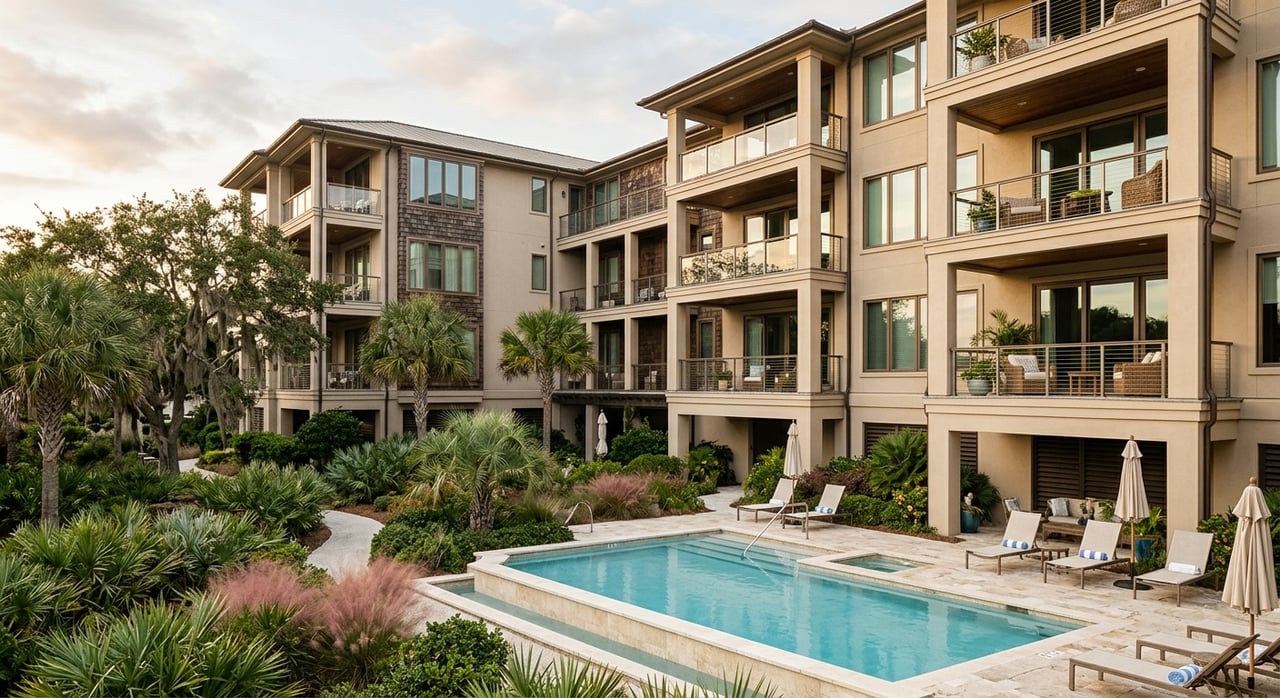
A lot of recent condo inventory in Garden City is in low-rise and mid-rise buildings from the 1980s. Listings in the current sample include features like oceanfront pools, outdoor showers, elevators, under-building parking, direct beach access, and even 24-hour security.
Many units are sold furnished or marketed as turnkey vacation properties. If you are shopping for a second home or income-producing beach property, that can be appealing because the setup may already match vacation use.
Townhomes and condo-townhome hybrids can feel very different. Some offer lower HOA costs, garages, or land ownership, which may matter if you want a more residential setup and a different monthly budget profile.
Oceanfront vs second row vs inland
Oceanfront condos
Oceanfront units are the most direct path to the beach lifestyle many buyers picture. You get immediate beach access, water views, balconies, and amenity packages that often support vacation use.
That convenience usually comes with the highest monthly costs. Recent examples in Garden City show oceanfront HOA dues around $471, $550, and $745 per month, with fees often covering a long list of shared services and utilities.
Second-row condos
Second-row and ocean-view properties can still give you much of the same coastal feel. A recent second-row listing at 1429 N Waccamaw Drive included under-building parking, a balcony, a community pool, and HOA coverage for cable, internet, and lawn maintenance, with a $503 monthly HOA.
In other words, second row does not automatically mean fewer features. Often, the bigger difference is beach access and view, not whether the property has vacation-friendly amenities.
Inland townhomes
Inland townhomes tend to appeal to buyers who want lower carrying costs, more traditional ownership, or features like garages. A recent true townhouse at 407 Old South Circle listed a $154 monthly HOA, while a Parmelee townhome about 4 miles from Garden City Beach listed a $199 monthly HOA and included a two-car garage.
That said, inland does not always mean low-fee. Some amenity-rich inland condo communities can still have HOA dues around $609 per month, so it is always smart to compare the actual package instead of making assumptions based on location alone.
Why HOA costs matter so much
In Garden City, HOA fees can change the real affordability picture fast. Oceanfront buildings often bundle a large share of the operating costs into the HOA, including items like water and sewer, trash pickup, elevator service, pool service, landscaping, insurance, management, legal and accounting, cable TV, internet, pest control, and common maintenance.
That is why list price alone does not tell the whole story. Two units may seem close in price, but the monthly ownership cost can look very different once HOA dues and insurance are factored in.
A better way to compare properties is to look at your total carrying cost. That usually includes:
- Mortgage payment
- HOA dues
- Property taxes
- Insurance
- Utilities not covered by the HOA
- Any expected maintenance or reserve needs
When you compare homes this way, you get a more realistic sense of what fits your goals and comfort level.
Flood zones and insurance should come early
For coastal buyers, this is one of the biggest due-diligence items in Garden City. Horry County notes that much of the area’s development sits directly on or next to the dunes, with limited natural buffer from high water.
That matters because flood risk can vary by building, even within the same beach area. Some recent oceanfront listings are explicitly marked as being in designated flood zones.
FEMA identifies its Flood Map Service Center as the official public source for flood-hazard information, and FEMA also notes that most homeowners insurance does not cover flood damage. For you as a buyer, the practical takeaway is simple: check the specific building early, not just the neighborhood name.
Rental rules are not the same everywhere
If you are buying a second home and thinking about rental income, do not assume every Garden City condo works the same way. Rental potential here is association-specific.
One recent oceanfront listing states that the community allows both short-term and long-term rentals. Another says the HOA allows Airbnb and mixed short-term rentals.
That sounds promising, but it also shows why buyers need to verify the rules before making plans. Ask for and review the declaration, rental policy, and any minimum-stay restrictions so you know exactly what is allowed.
Key questions to ask before you buy
Garden City is a market where small details can have a big impact on your lifestyle, budget, and resale flexibility. Before you move forward on any condo or townhome, make sure you get clear answers on the basics.
Here is a strong starting checklist:
- Is the property a condo or a true townhouse with land ownership?
- What does the HOA fee cover?
- Are short-term rentals allowed?
- Are there pet restrictions?
- Are there motorcycle or golf-cart rules?
- What kind of parking is included?
- Does the building have elevator access?
- Is the unit in a designated flood zone?
- What insurance may be needed beyond a standard homeowners policy?
- Is the property sold furnished or unfurnished?
These answers can shape both day-to-day use and long-term value. They are also some of the easiest details to miss if you only focus on photos and list price.
How Garden City compares to other Grand Strand areas
Garden City is smaller than several nearby beach markets. Horry County’s plan estimates about 1.5 miles of beachfront here, compared with 2.0 miles for Surfside Beach, 9.5 miles for Myrtle Beach, and 8.4 miles for North Myrtle Beach.
For buyers, that usually means fewer buildings to choose from but a market that is easier to learn in detail. If you like the idea of understanding a smaller set of options instead of sorting through a much larger condo inventory, Garden City can feel more manageable.
It also has a lifestyle connection that many buyers notice right away. Recent listings point to walkable access to the Garden City Pier and proximity to the Murrells Inlet MarshWalk, giving the area a blend of beach access and nearby inlet dining and attractions.
Who Garden City works well for
Garden City can be a smart fit if you want a coastal property and you are comfortable comparing buildings carefully. It often works well for buyers looking for a second home, vacation-use condo, oceanfront ownership, or a townhome with a different cost structure than direct-beach properties.
The best fit usually depends on what matters most to you. If your priority is direct beach access and easy vacation use, oceanfront may lead the list. If you want to manage monthly costs more closely or prefer features like a garage or land ownership, inland townhomes may deserve a closer look.
A smart way to shop Garden City condos and townhomes
The most successful buyers in Garden City usually do not start with only price or only view. They start by matching the property type to their goals.
A simple framework can help:
- Choose your primary use: full-time, second home, or rental-focused
- Set a total monthly budget, not just a purchase price target
- Shortlist buildings based on amenities and rules
- Review flood-zone status early
- Compare ownership structure and HOA coverage carefully
That process can save you time and help you avoid falling for a property that looks perfect online but does not work as well on paper.
Whether you want an oceanfront condo, a lower-maintenance second-row unit, or a townhome with a different ownership setup, the right guidance can make the search much clearer. If you are thinking about buying in Garden City or anywhere along the Grand Strand, Liat Edri can help you compare options, understand the fine print, and move forward with confidence.
FAQs
What makes Garden City condos different from condos in Myrtle Beach?
- Garden City is much smaller, with about 1.5 miles of frontage according to Horry County, so buyers often evaluate a smaller number of buildings in greater detail.
What should buyers compare besides price in Garden City condos?
- You should compare total carrying cost, including HOA dues, insurance, taxes, and any utilities or services not included in the monthly fee.
What do Garden City condo HOA fees usually cover?
- In many oceanfront buildings, HOA fees may cover items like water, sewer, trash pickup, elevator service, pool service, landscaping, insurance, cable, internet, pest control, and common maintenance.
Are short-term rentals allowed in Garden City condos?
- Some communities allow short-term rentals, long-term rentals, or both, but the rules vary by association, so you should verify each building’s declaration and rental policy.
Are flood zones important for Garden City condo buyers?
- Yes. Horry County notes that much of Garden City development sits on or near the dunes, and some recent oceanfront listings show designated flood-zone status, so buyers should review the specific building early.
What is the difference between a Garden City condo and a townhome?
- The difference can include ownership structure, HOA costs, amenities, and whether you own the land, so it is important to confirm exactly how the property is classified before buying.